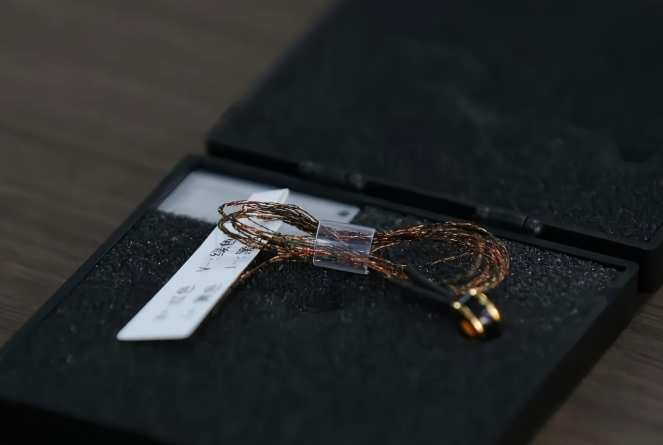
A domestically produced scale marking of -269°C
Did you know?
Liquid hydrogen reaches temperatures as low as -253°C.
Air separation media—such as liquid oxygen and liquid nitrogen—
also exist in extremely low-temperature environments.
In these scenarios,temperature monitoring poses a major challenge.
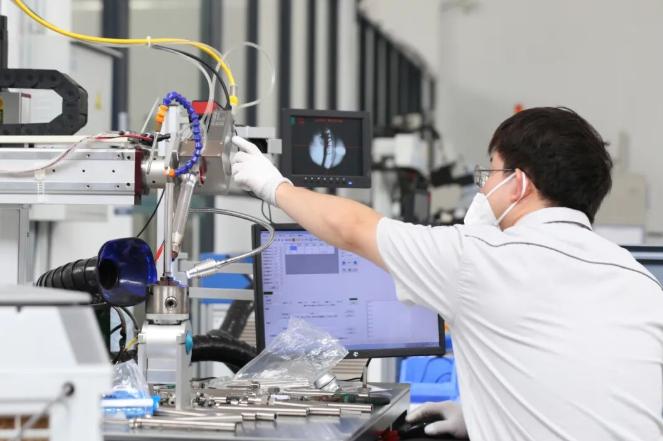
Recently, when visiting the inspection workshop of Pregno Sensing Technology (Zhejiang) Co., Ltd., one’s attention is drawn not merely to the equipment or products, but to a slogan on the wall: "Only 100% qualifies as acceptable." Ma Liangliang, the company's General Manager of Operations, explains, "This is the ironclad standard for every process step and every single product."
As a company dedicated to the R&D and manufacturing of smart sensors, Pregno leverages extreme precision to drive domestic innovation in smart sensing technology; its products are widely used in sectors ranging from industrial automation to healthcare.
"When it comes to domestic substitution, the toughest challenge has never been price—it’s performance,Mr Ma Liangliang Said: For ultra-low-temperature transmitters, the core difficulty lies in dimensions. Imported brands established the industry standard with an eight-channel, DIN-rail-mounted design, and control cabinets are built with space allocated for these specific dimensions. In the past, domestic equipment often failed to fit into standard cabinets due to size issues, forcing customers to either modify the cabinets or abandon the domestic solution.
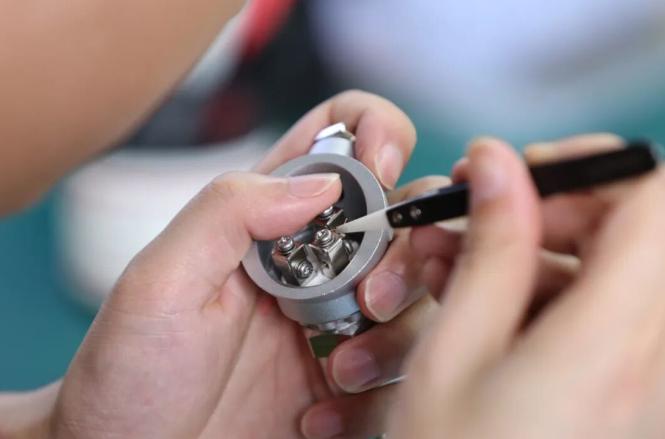
Pregno spent over two years successfully engineering a product that matches the dimensions of imported brands exactly. "Customers don't need to modify their control cabinets; it’s a simple 'plug-and-play' swap," Ma notes. Behind this simple convenience lies a process involving the extreme optimization of structural design, rigorous validation of material selection, and a meticulous, millimeter-level balancing act regarding sealing technology.
Another key breakthrough is the product's ability to cover the full temperature range from -269°C to 300°C. Last year, the company pioneered a "multi-physics coupling adaptive calibration" technology, reducing the non-linearity error across the entire range to just 0.002%. This ensures the system maintains exceptional measurement stability across the spectrum, from cryogenic temperatures to ambient levels.